

Falcon Pipes: Where Innovation Meets Tradition
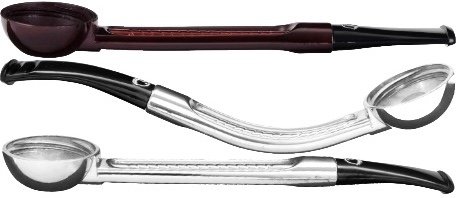
The history of Falcon system pipes began in 1936 with a groundbreaking idea by engineer Kenly Bugg. He developed a pipe with an aluminum stem and a bowl made of briar wood. He chose aluminum not just for its low weight and high durability, but above all for its excellent heat conductivity. The core idea: using aluminum as a condensation surface cools and dries the smoke—excess moisture is absorbed by a cotton filter inside.
From American Origins to a British Manufacturer
Falcon pipes were originally produced in the United States during the 1940s, mainly for the domestic market. Due to wartime shortages—especially of aluminum—production had to be paused temporarily. After the war, manufacturing resumed in American military stores and quickly gained momentum: by 1954, six million pipes had been sold in the U.S. alone.

In 1956, production was moved to the UK, and an independent company was founded to handle global distribution. Within just a few years, additional production sites were established across the country—including one in Sheppard’s Bush, London, where up to 10,000 pipes were made per week. This expansion marked the brand’s international breakthrough.
Falcon System Pipes: A Symbol of British Pipe Culture
In the 1960s and 1970s, Falcon pipes were a common sight in British cities. Their modular design with interchangeable bowls fit the British mindset perfectly—practical, well thought-out, and stylish. Carrying a Falcon meant embodying the classic British gentleman with a flair for functional elegance.
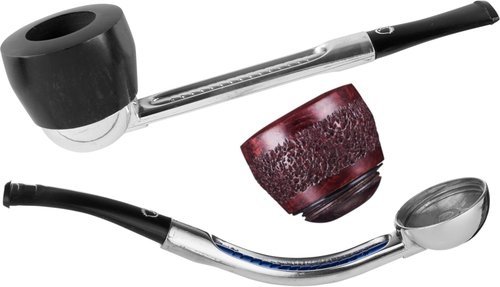
The easy replacement of the pipe bowl proved not only economically smart but also practical for everyday use—an idea that continues to impress to this day.
Falcon Today: Pipes with Character and Heritage
Since 2009, production has continued in Hertfordshire, England—on a smaller scale, but with the same passion for quality and functionality. Although production numbers are much lower today, Falcon pipes have secured a loyal global following among aficionados of classic pipe culture. Their Anglo-American flair and thoughtful design make them a stylish companion for discerning enthusiasts.
